
How Investment Banking and Asset Management Work Together: The Goldman Sachs Case
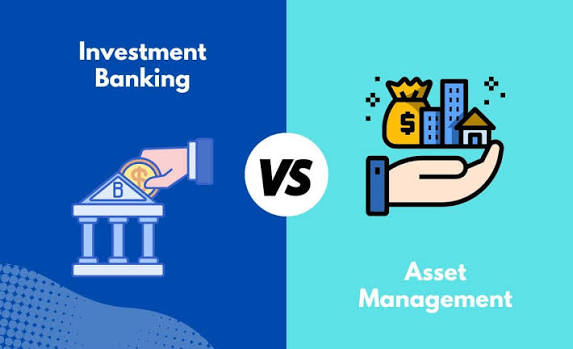
Goldman Sachs rests on two complementary pillars: investment banking and asset management. Investment banking earns deal-based fees from advising on mergers and underwriting securities, but this income rises and falls with the markets. Asset management, by contrast, earns steady recurring fees by managing client wealth over the long term. The two differ in nature, with banking being transaction-driven and asset management relationship-driven, so the firm must manage conflicts of interest carefully. Together, they balance each other and create synergies, giving Goldman resilience and sustainable growth.
Introduction
Few financial institutions illustrate the relationship between advisory work and investing as clearly as Goldman Sachs. Founded in 1869, the firm has built its global reputation on two complementary pillars: investment banking and asset management. Understanding how each operates, and how they reinforce one another, reveals why diversification is central to the firm's long-term strength.
Goldman Sachs' Investment Banking Services
Investment banking is the firm's traditional core. Goldman Sachs acts as an intermediary between organizations that need capital and investors who have it. Its services fall into two broad areas.
The first is advisory. Goldman guides corporations, governments, and institutions through mergers, acquisitions, divestitures, and restructurings. It routinely ranks among the leading global advisors on major deals, helping clients value targets, structure transactions, and negotiate terms. The second is underwriting. When a company wants to raise funds through an initial public offering, a share issue, or a bond sale, Goldman helps price the securities, markets them to investors, and often commits its own capital to ensure the deal closes. Fees from these activities form a major revenue stream, though they rise and fall with market conditions.
Goldman Sachs' Asset Management Business
Asset management is the firm's investing arm. Goldman Sachs Asset Management oversees trillions of dollars on behalf of pension funds, sovereign wealth funds, insurers, corporations, and private individuals. Its offerings span public equities, fixed income, and multi-asset strategies, along with alternative investments such as private equity, private credit, infrastructure, and real estate.
Unlike deal-based banking income, this business earns recurring management fees calculated on assets under supervision, supplemented by performance-based incentive fees. The result is a steadier, more predictable earnings profile.
Although both serve clients, their objectives differ in important ways. Investment banking aims to execute transactions successfully. Success is measured by completed deals, client mandates won, and fees earned. The relationship is often episodic, centered on a specific event such as an acquisition or a public listing. Asset management aims to grow and protect client wealth over time. Success is measured by investment performance, risk management, and the growth of assets under supervision. The relationship is continuous and built on long-term trust.
How Diversification Supports Growth
The real strength lies in how the two businesses balance and feed each other. When markets are strong, deal making and public offerings surge, lifting banking revenue. When activity slows, steady management fees from asset management help cushion earnings. This reduces dependence on any single revenue source and smoothes performance across economic cycles. The two arms also create commercial synergies. Banking relationships with corporations and institutions open doors for asset management products, while investment capabilities generate market insight and access to capital that enrich advisory work. Goldman's push into alternatives and private markets further widens its reach, allowing it to serve clients across the full lifecycle of capital, from raising it to investing it.
Conclusion
Goldman Sachs demonstrates that investment banking and asset management are not rivals but partners. Banking delivers high-impact, deal-driven income and deep corporate relationships, while asset management provides stability and long-term client engagement. Together, supported by disciplined diversification, they give the firm resilience, broader opportunities, and a sustainable path to growth in an ever-changing financial landscape.