
Why an Emergency Fund Should Come Before Investing
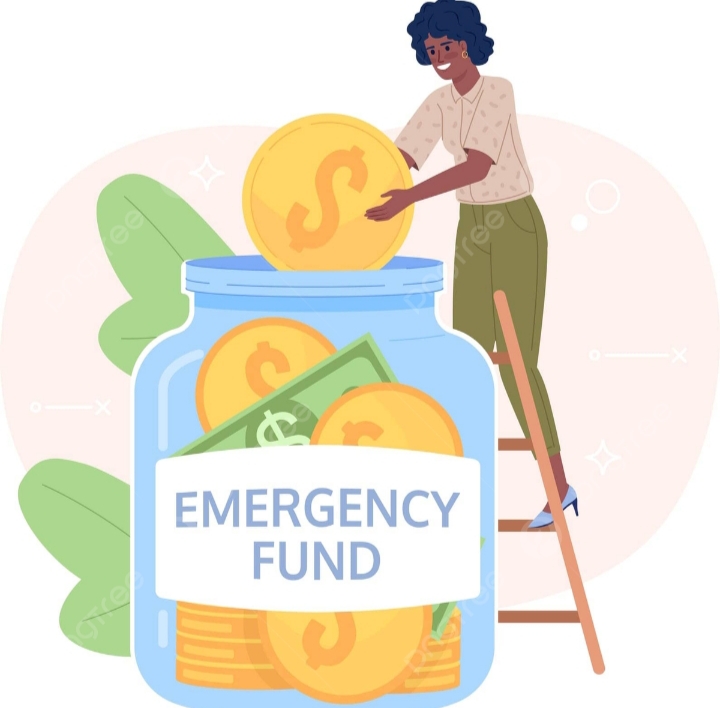
Building an emergency fund is the most important financial step to take before you start investing. It's cash set aside for unexpected costs like a job loss or medical bill, and should typically cover three to six months of essential expenses. Without it, you may be forced to sell investments during a downturn, locking in losses that could have recovered. A solid cushion also gives you peace of mind, so market dips don't push you into panicked decisions. To build one, open a separate savings account, automate a transfer every payday, and keep the money accessible and low-risk, so your investing becomes a long-term plan you can stick with.
Introduction
There's a particular kind of excitement that comes with opening your first investment account. You've read about compound growth, you've seen the charts, and you want your money working for you as soon as possible. But before any of that, there's a less glamorous step that most financial advisors will tell you not to skip: building an emergency fund. It isn't as exciting as picking your first stock, but it's arguably the single most important financial decision you'll make before you start investing at all. An emergency fund is simply cash set aside for the unpredictable, a job loss, a medical bill, a car that suddenly needs a new transmission, the kind of expense that shows up without warning and needs to be paid immediately. The general guideline is to have somewhere between three and six months of essential living expenses saved, covering things like rent, groceries, utilities, and minimum debt payments. The exact number depends on your situation. Someone with a stable job and no dependents might feel comfortable at the lower end, while someone who's self-employed or supporting a family might want closer to six months or even more. The point isn't to hit some universal number, it's to have enough cushion that an unexpected expense doesn't turn into a financial crisis.
Why an Emergency Fund Protects Your Investments
Here's where the connection to investing becomes clear. If you don't have cash set aside and an emergency hits, your investments become the only place left to turn. The trouble is that emergencies rarely arrive on a convenient schedule, and markets don't always cooperate either. If you're forced to sell stocks during a downturn just to cover a bill, you lock in losses that might have recovered if you'd simply been able to wait. Selling low because you have no other choice is one of the most damaging things that can happen to an investment strategy, and it's entirely avoidable with the right preparation. An emergency fund exists precisely so your investments never have to play that role.
The Psychological Benefits of Financial Security
There's also a psychological side to this that's easy to underestimate. When you know you have a cushion of cash sitting in a savings account, market volatility feels a lot less threatening. You can watch your portfolio dip during a rough month without panicking, because you're not depending on that money to survive the week. That confidence is what actually allows people to stay invested through downturns, which is often the difference between long-term success and locking in losses out of fear. Without that safety net, even small drops in your portfolio can feel like emergencies of their own, pushing you toward decisions you'll regret later.
Final Thought
Building an emergency fund doesn't require a complicated plan. Start by figuring out your essential monthly expenses, then set a target based on three to six months of that number. Open a separate savings account so the money isn't sitting alongside your everyday spending cash, which makes it less tempting to dip into. Automate a fixed transfer into that account every payday, even if it's a small amount at first, since consistency matters more than speed. Keep the fund in something accessible and low-risk rather than invested, since the entire point is that it's there the moment you need it. Once that fund is fully built, investing stops being a gamble on your financial stability and starts being what it should be: a long-term plan you can actually stick with.