
The Future of Digital Wallets in a Cashless Economy
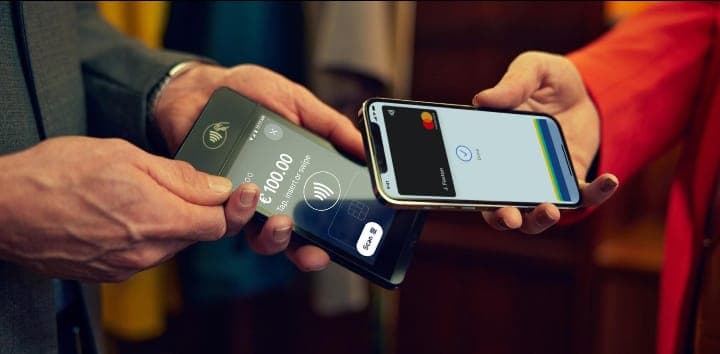
Apple Pay has grown since 2014 into one of the world's leading mobile payment platforms, offering secure, tokenized transactions with biometric authentication, peer-to-peer transfers, and cross-device convenience for users, plus faster checkout and lower fraud risk for businesses. Yet adoption remains uneven due to its Apple-only ecosystem, gaps in contactless infrastructure in emerging markets, habit-driven resistance to change, and competition from Google Pay and UPI. Future growth will likely come from deepening existing users' engagement through instalment financing and digital identity features rather than winning entirely new users. In short, Apple Pay is a strong example of the cashless shift, though its wider impact depends on reaching beyond iPhone users to the larger Android and feature-phone market.
Introduction
Cash is quietly disappearing from everyday transactions. Coffee shops, transit systems, and even street vendors now expect a tap instead of a note, and the device doing most of that tapping is often an iPhone or Apple Watch. Apple Pay, launched in 2014, has grown from a niche convenience into one of the most widely used mobile payment platforms in the world, now counting several hundred million users across dozens of countries. This article looks at how Apple Pay works, why it matters to both users and businesses, the obstacles still standing in its way, and what role it is likely to play as the world edges closer to a cashless economy.
What Apple Pay Is and How It Works
Apple Pay is a ddigital wallet built into iPhones, Apple Watches, iPads, and Macs that lets people store credit, debit, and transit cards and use them to pay in stores, in apps, and on the web. Rather than transmitting a shopper's actual card number, Apple Pay uses a technology called tokenization, the real card details are replaced with a unique, encrypted token that is useless if intercepted. Payments are authorized with Face ID, Touch ID, or a device passcode and in-store purchases are completed over Near Field Communication (NFC) with a simple tap at a contactless terminal.
The system rests on the security infrastructure Apple already builds into its devices, setting up Apple Pay takes only a few minutes, and using it takes only a few seconds. That combination of strong security and minimal friction is a large part of why the service has spread so quickly since launch.
Benefits for Users and Businesses
It is useful for everyday users, payments are completed with a single tap and a glance or fingerprint, with no need to carry a physical wallet. Merchants never see a customer's actual card number and Apple does not store transaction details tied to a person's identity. Apple Cash allows users to send and receive money instantly through Messages, useful for splitting bills or paying a friend back, The same cards and passes sync across iPhone, Apple Watch, iPad, and Mac, so a purchase can be completed on whichever device is closest. Apple Pay later let shoppers split a purchase into interest-free instalments directly within the Wallet app.
For Businesses and Merchants
It is also useful for businesses and merchants, contactless payments move queues along more quickly than chip-and-PIN or cash, which matters most in high-volume settings like cafes and transit. Merchants never handle raw card numbers, the liability and risk associated with storing sensitive payment data is reduced. Acceptance is now standard at most major retailers, so declining to support Apple Pay risks turning away a large and growing pool of shoppers. Apple Wallet can also hold loyalty cards, tickets, and boarding passes, giving businesses another touchpoint with customers beyond the transaction itself.
Challenges in Adoption and Usage
Despite its growth, Apple Pay has not become the default way most people pay everywhere. A large share of eligible iPhone owners have set up the service but still reach for a card at the register out of habit, which shows that awareness alone does not guarantee behaviour change. Several structural challenges also remain. Apple Pay only works on Apple hardware, which limits it in markets where Android devices dominate, while acceptance is high in the United States, Western Europe, and parts of East Asia, many small merchants and emerging markets still lack contactless terminals. Some consumers, particularly older demographics, remain more comfortable with physical cards or cash and are slower to change long-standing habits. Rival wallets, most notably Google Pay, along with region-specific systems compete for the same transactions and can dominate in markets where iPhones are less common. In some countries, banking regulations or resistance from local financial institutions
have slowed the pace at which Apple Pay can be integrated with domestic card networks.
The Future Role of Apple Pay in a Cashless Economy
The broader shift away from cash is not slowing down, and Apple Pay is positioned to remain one of its main beneficiaries. Industry estimates suggest Apple Pay's global user base will continue climbing toward the billion-user mark by the end of the decade, with transaction volume rising alongside it as more banks, transit systems, and retailers come on board. Growth is likely to come less from persuading entirely new users to adopt digital wallets and more from deepening how existing users rely on the service through instalment financing, peer-to-peer transfers and identity features such as digital driver's licences and travel documents stored directly in Wallet. Apple Pay is likely to extend beyond simple purchases into a broader role as a digital identity and financial hub. The main open question is not whether digital wallets will keep growing, but how evenly that growth will be shared between ecosystems like Apple's and competitors serving the much larger population of Android and feature-phone users worldwide. For now, Apple Pay stands as one of the clearest examples of how convenience, security, and ecosystem design can combine to reshape an everyday habit as old as commerce itself.