
The Role of Public Debt in Economic Recovery
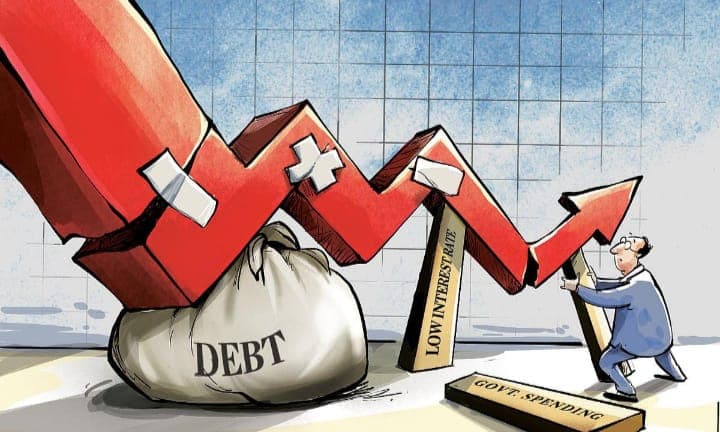
Public debt is the money a government borrows to finance public services, infrastructure, and economic development when its revenue is not enough. During economic crises, governments use public debt to stimulate the economy, create jobs, and support businesses and vulnerable groups. This spending helps increase consumer demand, protect essential services such as healthcare and education, and reduce unemployment. However, excessive public debt can result in higher taxes, increased interest payments, slower economic growth, and the risk of default. Therefore, public debt should be managed carefully to ensure long-term economic stability and sustainable development.
Introduction
The concept of public debt spans back to the ancient and medieval century. This was when governments required funding to finance their government activities. Which were activities that came in the form of war or whatever mandatory duties that need to be met. The nature of these loans came in the form of commodities. In modern times that is not the case. Public debt in the modern era typically takes the form of governments issuing securities such as government bonds and treasury bills which are purchased by firms , citizens or financial institutions. In return, the government is obliged to repay the borrowed amount along with interest, over a specified period.
Government Intervention During Financial Crises
It is of great importance that the government complies with statutory requirements to fund their debt. The government cannot rely on the property of its citizens to pay off their debt however they may alter fiscal policy to assist in solving the debt issue by increasing the taxes of their citizens. The government’s responded by increasing public spending to stimulate economic demand and to support employment in the economy. Banks also implemented measures to guarantee bank deposits in order to reassure citizens and restore confidence in the financial system. The government also purchased shares in banks that were struggling to prevent their collapse and the economy from entering a recession.
Global Financial Crisis
Between 2008-2009, a global financial crisis emerged. A period that impressed extreme pressure on global financial markets and banking systems. The United States was a major catalyst of this outbreak which spread rapidly across the global financial system.During this period , banks offered low interest rates on house loans and motivated many individuals to purchase homes through loans they could not realistically afford. Banks started to create mortgage-backed securities which involved bundling multiple home loans together and selling them as securities that were perceived to carry minimal risks.
Debt Finance Recovery Strategy
A debt-financed recovery strategy is implemented when the government borrows money to stimulate economic growth, deal with socio-economic issues or manage existing public debt. A debt recovery strategy is implanted after an economic crises. The short term benefits are economic stimulation,job creation and income protection and the safeguarding of essential public services. When there has been a downturn in the economy it results in market activities declining. The signs are a decrease in consumer demand and an increase in the unemployment rate. Which is a cause of concern governments .
As a result , the government will use a debt recovery strategy to stimulate the economy.With the aim of boosting demand for goods and services in the economy leading to an increase in productivity including a decrease in the unemployment rate.
Final Thought
Policymakers must ensure that borrowing policies are sustainable and that any debt incurred is aligned with promoting economic growth or national development. Governments that have debt need to endure that the funding is used accurately to meet its set priorities. A country that fails to mange its debt effectively risks losing access to international and domestic capital markets. Secondly, it will experience a high borrowing cost including the potential to cause harm to economic growth and investment.