
How Central Banks Quietly Control Your Daily Finances
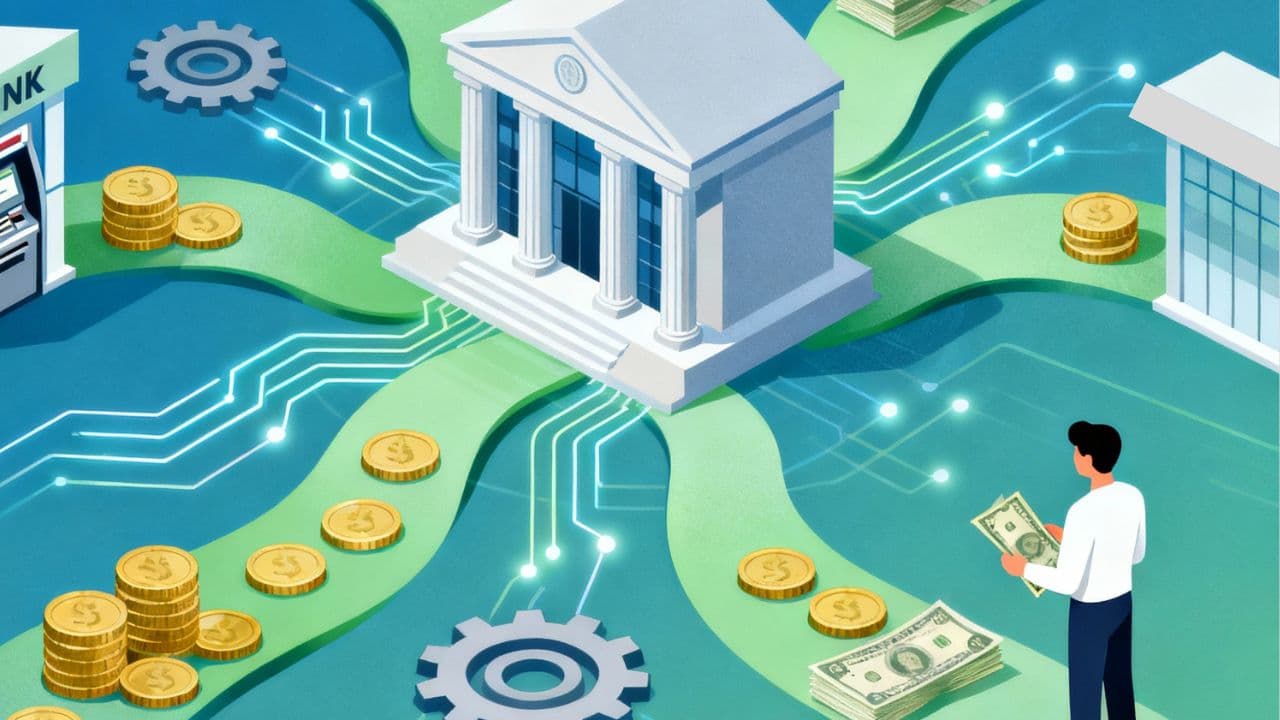
Central banks, such as the Federal Reserve and the European Central Bank, influence everyday finances by adjusting interest rates. Their decisions affect loan repayments, mortgage costs, savings returns, and inflation. When interest rates rise, borrowing becomes more expensive, while savers often earn better returns. These policies also shape the cost of living by influencing prices of goods, housing, and fuel. Understanding central bank decisions helps individuals make smarter financial choices and better manage their money.
Introduction
Central banks sit above all other banks, setting the rules of the game. Think of the economy as a large house and money as the heating system. Too little heat, everything stiffens businesses close, jobs disappear. Too much, prices shoot up, savings melt away, and your cost of living quietly explodes. *The Fed and the ECB are the thermostats. Their job: keep the temperature just right through one dial: interest rates.
Effects of Interest Rates
In 2021, interest rates were scraping the floor across the US and Europe. A family in Texas could lock in a thirty-year home loan at three percent and breathe easy. Then inflation arrived. The Fed raised rates eleven times between 2022 and 2023. Within eighteen months, that same mortgage climbed past seven percent adding nearly seven hundred dollars a month on a three-hundred-thousand-dollar home. The house hadn't gotten more expensive. The cost of borrowing it had.
Your Savings Account: Hero or Casualty?
For most of the 2010s, saving in Europe felt pointless the ECB held rates so low that some accounts technically charged customers to hold deposits. When rates finally rose, the story flipped. By mid-2023, US high-yield accounts were offering four to five percent returns. A retiree with fifty thousand dollars went from earning two hundred dollars a year to over two thousand. Same money. Same bank. Different central bank.
Inflation: The Tax Nobody Voted For
Inflation is a slow leak in the value of your money. When the ECB held rates near zero, cheap money poured into real estate landlords in Amsterdam and Berlin raised rents year after year simply because the market allowed it.
When the Fed kept rates low during the pandemic recovery, too much money chased too few goods and inflation hit a forty-year high of over nine percent. Groceries, fuel, rent everything climbed at once. Oil is priced in US dollars, so European drivers in Madrid felt the knock-on from Washington's decisions too.
Why This Is Your Business Too
Your home loan EMI, car payment, credit card rate, savings return, grocery bill, and fuel cost every one carries a fingerprint from a central bank decision. Between 2022 and 2024, a middle-income US household with a variable mortgage and car loan found both getting more expensive simultaneously, while groceries and energy bills climbed in parallel. No pay rise could fully absorb it.
Final Thought
You don't have to become an economist. Knowing a rate hike is coming lets you lock in a fixed mortgage before your variable rate jumps. Understanding that low rates push up asset prices helps you decide when to invest and when to wait. You have to figured it out not from a textbook, but from watching the bills and asking the right questions. Once you understand what the thermostat was doing, you will make smarter decisions about your own financial life.