
How Do Global Trade Routes Affect the World Economy?
An overview of how global trade routes drive economic growth while disruptions increase costs, impact supply chains, and influence global prices and stability.
Introduction to Global Trade Routes
Global trade is a central component of the modern economy, enabling countries to exchange goods, services, and resources efficiently. This system depends on an extensive network of trade routes that connect different regions of the world. These routes include maritime shipping lanes, air cargo corridors, railways, and road networks. Among these, maritime transport is the most dominant due to its ability to carry large quantities of goods at relatively low cost.
According to the United Nations Conference on Trade and Development (UNCTAD), around 80 percent of global trade by volume is transported by sea. This figure is based on UNCTAD’s Review of Maritime Transport, which is widely regarded as a reliable source for shipping statistics. This demonstrates that global trade routes are essential for sustaining international commerce and economic growth.
The Importance of Key Shipping Routes
Certain global routes play a crucial role in maintaining the efficiency of international trade. These routes reduce travel time, lower transportation costs, and support large-scale movement of goods.
One of the most important is the Suez Canal. According to the Suez Canal Authority, approximately 12 percent of global trade passes through this canal. It connects Europe and Asia directly, eliminating the need for ships to travel around Africa.
Another key route is the Panama Canal. The Panama Canal Authority reports that about 5 percent of global maritime trade passes through this canal. It connects the Atlantic and Pacific Oceans and is essential for trade within the Americas and between the Americas and Asia.
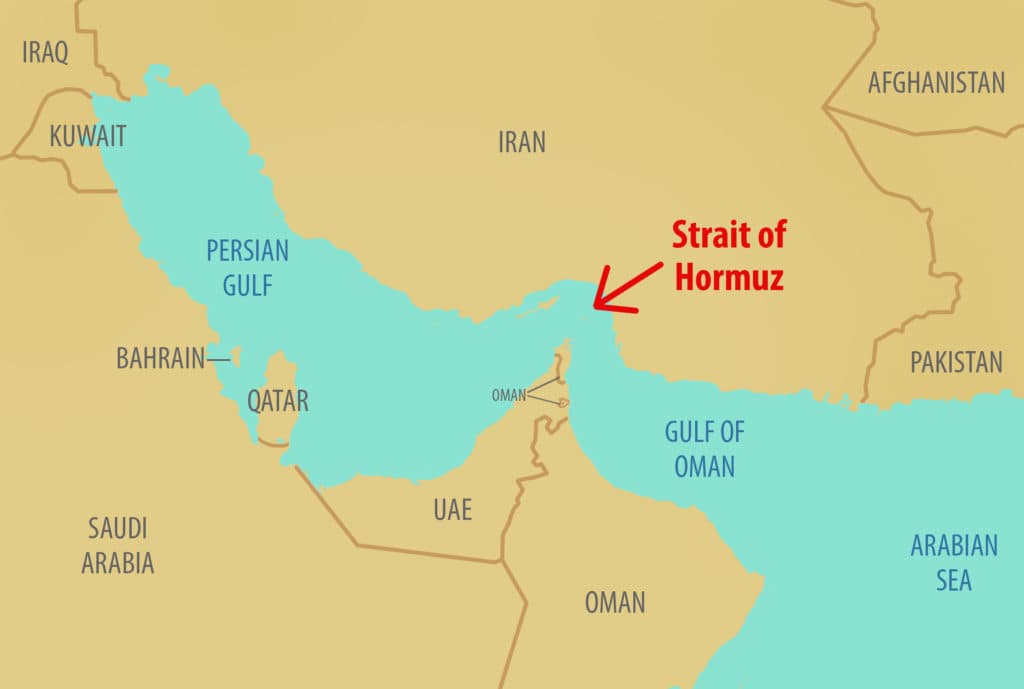
Energy transportation routes are also highly significant, particularly the Strait of Hormuz. According to the U.S. Energy Information Administration, around 21 million barrels of oil per day passed through this route in 2022. This represents roughly 21 percent of global petroleum liquids consumption, calculated by comparing the volume passing through the strait with total global consumption.
In the current global context, this route has gained even greater importance due to ongoing geopolitical tensions in the Middle East. While shipping continues, the risk of disruption alone can influence global markets. Even without a complete blockage, increased regional tensions often lead to higher shipping insurance costs and fluctuations in oil prices. It is important to state that I cannot confirm any full closure of the Strait of Hormuz in recent times. However, credible data shows that even perceived risk in this region can affect global energy prices and trade stability.
How Disruptions Increase Transportation Costs and Delivery Times
Global trade routes are vulnerable to disruptions caused by accidents, political instability, natural disasters, and security threats. These disruptions can significantly increase transportation costs and delay deliveries. A clear example is the Suez Canal blockage 2021. According to Lloyd’s List, the blockage delayed an estimated 9.6 billion US dollars of trade per day.
When routes are disrupted, ships often have to take longer alternative paths. For instance, rerouting around the Cape of Good Hope can add thousands of nautical miles to a journey, increasing fuel consumption. Large container ships can consume over 100 tons of fuel per day, which significantly raises operational costs when journeys are extended.
The situation in the Strait of Hormuz further illustrates how disruptions or even threats of disruption can affect costs. When tensions rise in the region, shipping companies may face increased insurance premiums due to higher perceived risks. This raises transportation costs even if trade routes remain open.Delays also affect supply chains. Industries that rely on just in time production may experience shortages, which can reduce output and increase prices. These cost increases are often passed on to consumers, contributing to inflation.
Business Strategies to Manage Trade Route Risks
Businesses have developed several strategies to cope with uncertainties in global trade routes. One important approach is supply chain diversification. Companies source materials from multiple countries instead of relying on a single supplier, reducing the risk of disruption.
Another strategy is maintaining higher inventory levels. According to studies by McKinsey & Company, many firms have increased their safety stock to protect against supply chain interruptions. Nearshoring** is also becoming more common. This involves moving production closer to key markets, reducing dependence on long-distance shipping. Technological solutions such as real-time tracking systems and data analytics also help businesses respond quickly to disruptions and improve efficiency.
Impact on Global Supply Chains
Global trade routes are closely linked to supply chains, which involve the production, transportation, and distribution of goods. Disruptions in trade routes can break these chains and create widespread problems. According to the World Trade Organization (WTO), global supply chains are highly interconnected, meaning that delays in one region can affect production worldwide. For example, a delay in the delivery of raw materials can halt manufacturing processes in multiple countries.
Industries such as electronics and automotive manufacturing are particularly vulnerable because they depend on components sourced from different regions. Even small delays can disrupt production schedules and lead to financial losses.
Effects on Global Prices and Inflation
Trade route disruptions can have a direct impact on global prices. When transportation costs increase, businesses often pass these costs on to consumers. The International Monetary Fund (IMF) has noted that increases in shipping costs can contribute to inflation, especially during periods of supply chain disruption. Higher transportation costs lead to higher prices for goods such as food, energy, and manufactured products.
In the case of the Strait of Hormuz, any reduction in oil supply or even fear of disruption can lead to rising oil prices. Since oil is a key input for transportation and production, this increase affects a wide range of goods and services globally.
Environmental Impact of Trade Routes
Global trade routes also have environmental consequences. Maritime shipping contributes to greenhouse gas emissions, which affect climate change. According to the International Maritime Organization (IMO), shipping accounts for approximately 2 to 3 percent of global carbon dioxide emissions. Longer routes caused by disruptions can increase emissions because ships burn more fuel. This highlights the environmental cost of inefficient trade routes. Efforts are being made to reduce emissions, including the development of cleaner fuels and more energy-efficient ships. However, these solutions require significant investment and international cooperation.
Conclusion
Global trade routes are essential for the functioning of the world economy. They enable the efficient movement of goods, support global supply chains, and contribute to economic growth. Key routes such as the Suez Canal, the Panama Canal, and the Strait of Hormuz play a crucial role in maintaining international trade.
However, these routes are vulnerable to disruptions that can increase costs, delay deliveries, and create economic instability. The example of the Strait of Hormuz shows that even the risk of disruption can influence global markets, particularly in the energy sector. These issues highlight the importance of building more resilient and sustainable global trade systems.