
Global Energy Markets: Oil, Renewables, and Geopolitics
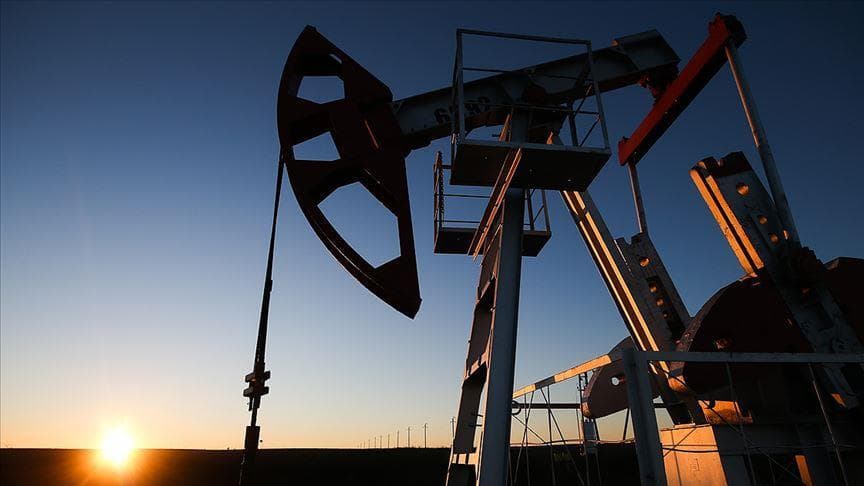
Global energy markets are being reshaped by oil’s persistence, the rapid rise of renewables, and shifting geopolitics.
Global Energy Markets: How Oil, Renewables, and Geopolitics Intersect
The global energy market sits at the center of nearly every economic, political, and environmental debate of our time. Energy powers transportation, manufacturing, communication, and virtually every aspect of modern life. For decades, oil has been the backbone of this system — driving growth, fueling industries, and shaping international relations. Yet, in recent years, the world has entered a new phase marked by the rapid rise of renewable energy and growing geopolitical uncertainty. Understanding how oil, renewables, and geopolitics intersect is essential to grasp the forces that will shape the world’s future.
Oil: Still Dominant, But Facing Headwinds
Oil remains the lifeblood of the global economy, despite increasing calls for decarbonization. It fuels around one-third of total global energy consumption and nearly all forms of transport — from cars and ships to airplanes. In addition, oil is indispensable for producing petrochemicals used in plastics, fertilizers, and pharmaceuticals. This deep integration means that while countries pledge to move away from fossil fuels, oil continues to play a dominant role in maintaining economic stability.
However, the oil market is becoming increasingly volatile. Over the past few years, global prices have fluctuated sharply due to a mix of factors — from OPEC+ production decisions to geopolitical tensions in the Middle East and Eastern Europe. Events such as the Russia-Ukraine conflict and tensions in the Strait of Hormuz have repeatedly shown how quickly oil prices can surge when supply chains are disrupted. Even a rumor of sanctions or shipping blockades can ripple through the markets, pushing prices higher overnight. According to the International Energy Agency (IEA), demand for oil is expected to grow modestly until around 2027 before plateauing as electric vehicles and renewable technologies expand. Still, developing economies in Asia and Africa continue to rely heavily on affordable fossil fuels, meaning oil’s complete decline remains distant.
A major debate in the energy world centers on “peak oil demand” — the point when global oil consumption will stop growing and begin to fall. Some projections from BP suggest this could happen within this decade, driven by energy efficiency and renewable adoption. Yet, others, including OPEC, argue that continued industrialization in the Global South will sustain oil demand well beyond 2040. In truth, the shift is uneven — while wealthy nations invest in green energy, developing ones still depend on oil to support growth, jobs, and infrastructure. This imbalance illustrates why the energy transition is as much about economics and equity as it is about technology.
Renewables: From Alternative to Core
While oil faces uncertainty, renewable energy has evolved from a niche concept into the centerpiece of global energy policy. Just a decade ago, renewables were often dismissed as too expensive or unreliable. Today, they represent the fastest-growing energy source in history. Solar and wind power have seen extraordinary cost declines, with prices dropping by over 80% in some cases, making them cheaper than new fossil fuel plants in most regions.
In 2025, global energy investment is expected to hit USD 3.3 trillion, with more than half directed toward clean energy — including renewables, grids, and storage systems. Governments have played a major role in this transformation. Subsidies, tax credits, and carbon pricing mechanisms have made green energy more competitive. The United States’ Inflation Reduction Act, the European Green Deal, and China’s renewable expansion plan are key examples of policy-driven momentum.
Yet, the renewable transition isn’t without challenges. Solar and wind power are intermittent — sunlight and wind can’t be controlled — which makes storage and grid flexibility crucial. Countries are now investing heavily in battery technologies and smart grids that can store excess energy or redirect it to areas of demand. Another emerging concern is the reliance on critical minerals like lithium, cobalt, and nickel, essential for manufacturing batteries and turbines. These minerals are heavily concentrated in a few regions, such as the Democratic Republic of Congo, Chile, and China. As a result, a new form of “energy geopolitics” is emerging — one centered not on oil fields, but on mineral mines and supply chains.
Despite these challenges, 2025 marked a symbolic milestone: for the first time, renewables generated more global electricity than coal. This achievement signals a fundamental shift in how humanity powers its future. As technologies mature and infrastructure improves, renewables are no longer an alternative — they are becoming the new core of the world’s energy systems.
Geopolitics and Energy: Power, Risk, and Opportunity
Energy has always been political. Whoever controls energy resources wields economic and strategic power. The twentieth century was dominated by oil diplomacy — wars, alliances, and trade routes all centered on securing access to fossil fuels. In the twenty-first century, the same patterns persist, though in evolving forms.
Key shipping routes such as the Strait of Hormuz, the Suez Canal, and the Bab el-Mandeb Strait remain chokepoints for global oil and gas flows. Any disruption — from military conflict to piracy — can lead to immediate price spikes. For instance, when conflicts flare up in the Middle East or sanctions hit major producers like Iran or Russia, global energy markets react instantly. Countries respond by diversifying supply, building strategic reserves, or forming regional partnerships to reduce vulnerability.
But geopolitics doesn’t just influence oil. The rise of renewables has introduced new forms of competition. Countries are now racing to dominate clean energy manufacturing and mineral supply chains. China currently leads in producing solar panels and processing lithium and rare earth metals, while Europe and the U.S. are investing heavily to reduce their dependence on foreign suppliers. This competition has created a new kind of “energy security”, one based on technological and mineral control rather than just oil reserves.
At the same time, political fragmentation complicates global cooperation. Nations adopt different environmental policies, subsidy rules, and trade restrictions. This inconsistency makes long-term planning difficult for energy investors and companies. A single policy shift — such as a government reversing renewable subsidies or imposing export bans — can undermine billions in investment. As a result, managing geopolitical risk has become a central priority for every major energy company.
The Investor Shift Toward ESG and Sustainability
As governments and industries respond to the climate crisis, investors have begun to reshape financial markets through ESG (Environmental, Social, and Governance) principles. ESG investing prioritizes not only financial returns but also a company’s environmental impact, social responsibility, and ethical governance. This shift represents a fundamental rethinking of capitalism — one that aligns profit with purpose.
Global investment in ESG funds has soared in recent years, with trillions of dollars now directed toward sustainable finance. Investors increasingly favor companies that disclose their carbon footprints, adopt renewable energy, and commit to net-zero targets. In response, oil giants such as Shell, BP, and ExxonMobil have begun to integrate renewable portfolios and reduce their emission intensities. Yet, progress remains mixed. Some companies have been accused of greenwashing — exaggerating sustainability claims while continuing environmentally harmful practices.
The challenge for investors is balancing ideals with reality. When oil prices surge, traditional fossil-fuel companies often deliver higher short-term returns than ESG funds. This can tempt investors to shift back toward conventional energy, especially during geopolitical crises or energy shortages. Furthermore, ESG ratings are not standardized, leading to confusion and inconsistency. Still, the overall direction is clear: capital is flowing toward sustainability. Governments are also mandating greater transparency through frameworks like the EU’s Corporate Sustainability Reporting Directive and the U.S. SEC’s climate disclosure rules. This global financial shift ensures that environmental responsibility is no longer optional — it’s a market expectation.
Balancing Profitability and Environmental Responsibility
At the core of the energy transition lies a complex dilemma — how to remain profitable while being environmentally responsible. Fossil fuel companies face the risk of stranded assets, meaning oil fields, pipelines, and refineries could lose value as carbon regulations tighten. Analysts warn of a potential “carbon bubble”, where fossil fuel reserves are overvalued because not all can be burned without exceeding global climate limits.
For energy firms, the path forward involves difficult strategic choices. They must decide how much to invest in renewable ventures while maintaining cash flow from existing fossil operations. Some companies pursue a hybrid strategy, investing simultaneously in oil and clean technologies. Others, like Ørsted in Denmark, have completely transformed from fossil-based businesses to renewable leaders. However, such transitions require patience, innovation, and massive capital.
Environmental responsibility also extends beyond compliance — it’s now part of corporate reputation. Consumers and governments increasingly hold companies accountable for pollution, deforestation, and carbon emissions. A damaged reputation can trigger legal action, boycotts, or exclusion from sustainable funds. Therefore, adopting sustainability is not only about moral duty but also about protecting long-term profitability.
The most promising way forward lies in innovation: carbon capture and storage, green hydrogen, and biofuels can bridge the gap between economic needs and environmental limits.
Conclusion
The intersection of oil, renewables, and geopolitics defines one of the most important transformations in human history. Oil continues to dominate, but its long-term reign faces challenges from clean energy and shifting investor sentiment. Renewables are rising fast, driven by technological progress and global cooperation, yet constrained by mineral dependency and storage limitations. Geopolitics, meanwhile, continues to shape the rules of the game — determining who controls resources, who sets prices, and who benefits from transition.
Ultimately, the energy sector’s future depends on its ability to balance profitability and responsibility. Those who can innovate, diversify, and adapt will not only survive but lead the transition toward a cleaner, more sustainable, and geopolitically resilient world. The energy market is no longer just about supply and demand — it’s about shaping the future of civilization itself.