
The EV Market Hype Cycle: From Surge to Slowdown
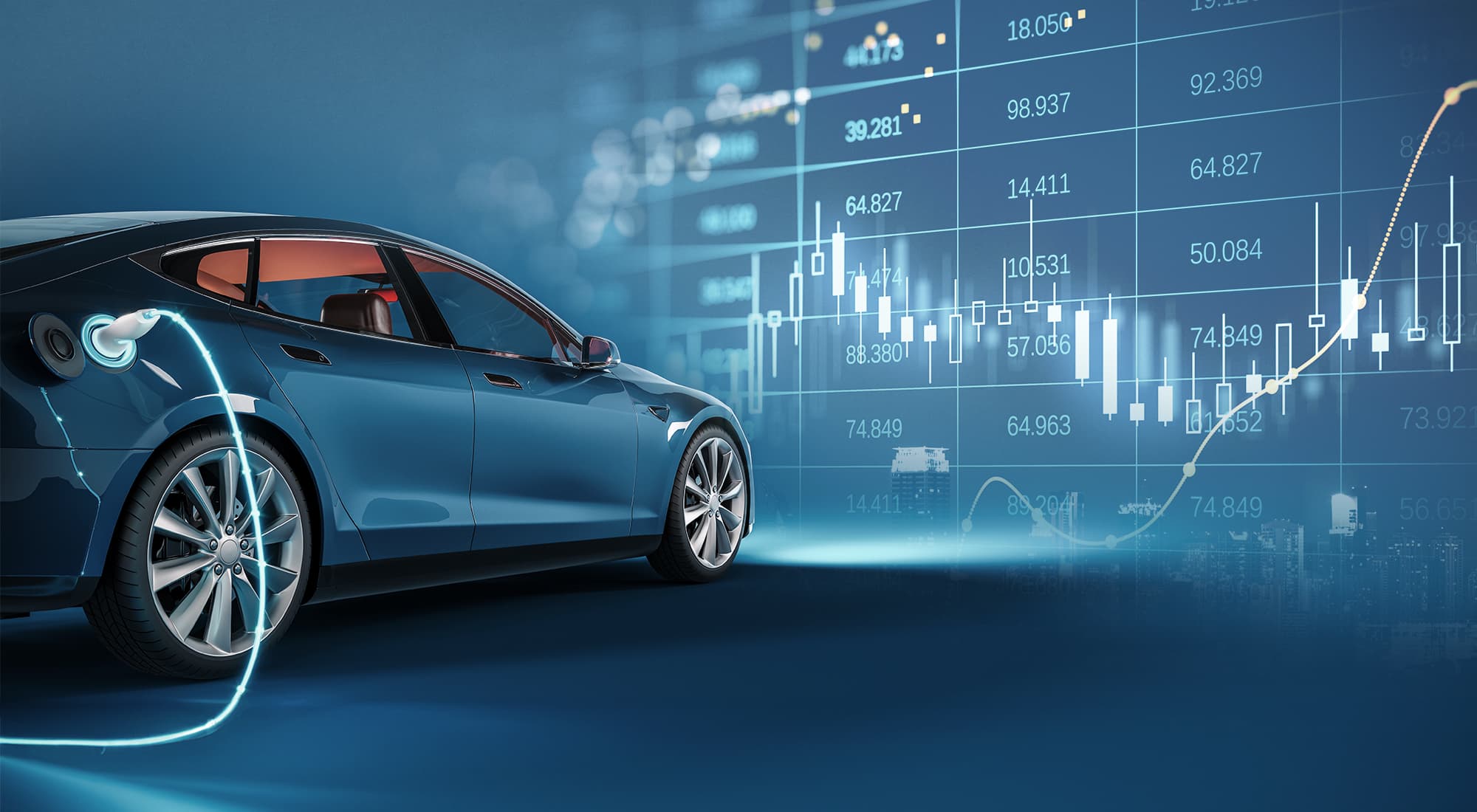
EV stocks surged on hype but slowed as costs, competition, and reduced subsidies hit, showing the EV shift is real, but the hype isn’t.
Introduction
Electric vehicles were supposed to take over the world, and fast. It felt that way, at least, for a few years. EV companies were the "future of transportation," governments were pushing clean energy, and investors were throwing money at anything with a battery and wheels. But today, that hype has markedly cooled. Electric vehicle stocks have either drastically slowed down, corrected heavily, or lost investor confidence.
Why did this happen? The EV revolution is still moving forward, but the stock market has learned something important: long-term trends don’t always mean short-term profits. Understanding how we got here explains why EV stocks rose so quickly, and why their momentum faded.
The Early Rise: Why EV Stocks Became So Popular
For years, EV companies symbolized innovation. They weren't just selling cars, they were selling a future powered by clean energy, advanced software, and sleek designs. Investors love anything that looks like the next big technological shift, and EVs checked all the boxes.
Three big forces lifted EV stocks:
The Clean Energy Narrative: From 2019 to2021, climate was at the forefront. Governments provided subsidies, tax credits, and regulations pushing manufacturers toward greener vehicles. EV companies were perfectly positioned, and investors saw them as “future-proof.”
Tesla's Explosive Success: Tesla was more than a company; it was a cultural phenomenon. Its stock surge convinced many that other EV firms could follow, creating a wave of optimism, sometimes unrealistic optimism.
Cheap Money and High Risk Appetite: Low interest rates, stimulus money, and an influx of retail investors made EV startups fashionable investments. Many hoped companies like NIO, XPeng, Rivian, and Lucid would become the “next Tesla.”
In short, EV stocks rose because they captured a powerful mix of hope, technology, and investor enthusiasm. Major EV players include BYD, NIO, and Rivian. Even with the EV hype, their strategies were far from identical. The market slowdown highlighted why some performed better than others.
Comparative EV Company Strategies
BYD: Affordable and High Volume Giant
BYD is often misunderstood in the U.S., but globally it's a massive force. It builds affordable EVs, not luxury models. It controls much of its supply chain, including batteries. It sells hybrids as well. Its strategy is scale, focusing on dominating the middle market. That’s why BYD has grown steadily while others have struggled.
NIO: The Premium, Tech-Heavy Brand
NIO built its name on high-end EVs, futuristic designs, and its Battery-as-a-Service system. But its premium focus is harder to sustain in a slowing economy. NIO is innovative, but its model requires heavy spending, which is risky during demand slowdowns.
Rivian: Adventure-Focused, American Premium EVs
Rivian launched with hype by offering electric adventure trucks, strong build quality, clean design, and major backing from Amazon. But it faces high production costs, supply chain issues, and a premium price point that limits demand.
These comparisons show that not all EV companies were prepared for how quickly the market could shift.
Why the EV Market Slowed Down
The EV market is still growing, but not at the explosive pace many expected. Several factors cooled the hype:
- High prices pushed away consumers, especially for premium EV brands like NIO and Rivian.
- Reduced government subsidies caused demand drops in China, Europe, and the U.S.
- Charging infrastructure concerns made many buyers prefer hybrids.
- Fierce competition from traditional automakers reduced the early advantage EV startups held.
- High interest rates made car loans expensive, worsening affordability.
Together, these pressures slowed sales and forced investors to rethink expectations.
Conclusion: The EV Trend Isn't Dead, But the Hype Is
Electric vehicles remain the future. Clean energy adoption continues, battery technology is improving, and EV usage is expanding. But the “hyper-growth” hype of the early 2020s is gone, and that’s actually healthy.
The slowdown teaches a key lesson: innovation does not guarantee investment success. BYD’s steady growth, NIO’s premium struggles, and Rivian’s high-cost challenges show how different strategies survive under pressure. Investors are now more cautious, more selective, and focused on real performance, not just promises.
The EV revolution is still happening — just at a realistic, not explosive, pace.